
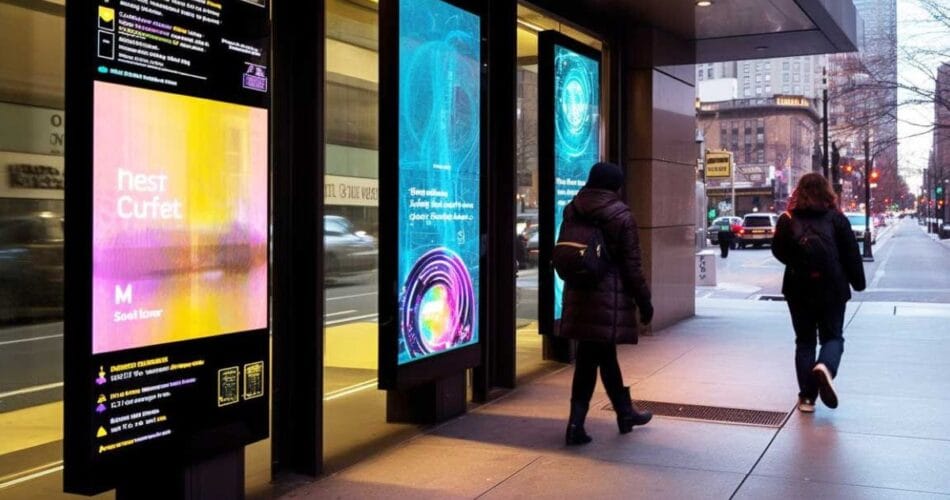
The contemporary corporate environment demands communication that is as flexible and nimble as the technology it runs on. Static posters and solitary digital displays are fast-fading relics replaced by smart, connected systems at the heart of a smart company ecosystem. From a straightforward broadcast medium, digital signage has developed into a strong, engaging platform that fits perfectly with a company’s current backend systems. Digital signage can now provide hyper-personalised, data-driven content in real-time by linking with Customer Relationship Management (CRM) systems, Enterprise Resource Planning (ERP) software, and Internet of Things (IoT) devices, hence changing how companies interact with both employees and customers. Turning a basic screen into a dynamic business intelligence interface, this integration improves operational effectiveness and produces immersive brand experiences. Working with experts in digital signage UK guarantees access to the most recent technology and strategic knowledge needed for companies all across the country looking to use these complex, integrated solutions to survive in this new age.
Dynamic Content Real-Time Data Integration
Integrated digital signage’s real power is its capacity to show live data straight from a company’s main systems. Rather than physically changing a promotion or a menu, the signage may automatically extract data from inventory databases, CRM systems, or ERP systems. For instance, a premium retailer could employ this integration to display their present product inventory on screens throughout the store, therefore guaranteeing that customers always see what is actually in stock. Real-time synchronisation guarantees that every piece of content is as current and pertinent as the company itself, removes obsolete messages, and lowers labour expenses related to manual upgrades.
Material Orchestration Powered by Artificial Intelligence
By allowing complex content orchestration, artificial intelligence is pushing digital signage integration to the next degree. Modern systems automatically adapt the material shown by using artificial intelligence to examine several data sources, including audience demographics, weather, or time of day. Tailored contextual, automatic physical experiences suited to the particular setting may be created by this Experience Engine. For example, on a chilly morning, a fast-food restaurant might automatically change its menu displays to feature hot coffee; on a warm afternoon, it might advertise cold beverages; all without human assistance. This intelligent automation guarantees that messages are always relevant and impact-oriented.
Anonymous Demographics and Audience Analysis
From a one-way channel of communication to a two-way data-gathering instrument, digital signage transforms when combined with smart sensors and cameras. Today, solutions abound that combine edge-AI cameras and digital signage to secretly identify spectator age groups and gender, feeding this demographic information into a live dashboard. This lets companies know precisely who is interacting with their screens, at what times, and for how long. These practical ideas help marketing teams to then hone their campaigns, assess promotional participation, and make data-driven decisions that maximise return on investment.
Centralised Administration for Multi-Site Operations
For companies with operations spanning several sites, the capacity to manage all digital signage from one centralised interface is revolutionary. From a cloud console, contemporary digital signage software lets one remotely manage screens, playlists, and schedules over hundreds of locations. This centralised control guarantees brand uniformity while also enabling local customisation, whether for a worldwide retail network or a federal agency. While regional managers can still customise material to their particular market, all from one unified interface, a one-click update can send a new promotion to every screen in the network in seconds.
Scalable, High-Performance Hardware and Software Ecosystems
Good integration depends on a strong and expandable technical base. Hardware companies and software platforms are forming strategic alliances that are producing strong, business-grade ecosystems. For instance, the local storage and playback capability of media players guarantees that content displays consistently, even during network outages, by combining a workplace management system with industry-standard media players. These collaborations make sure that from headquarters to factory floors, the solution is safe, simple to implement, and consistently performs across all settings,, gs whether a company handles ten or 10,000 screens.
Improved Client Interaction Via Interactivity
Combining digital signage with interactive systems offers consumers a mesmerising and immersive experience. Including touchscreens, gesture control, or QR codes turns passive viewers into active platform companies. A retail store could, for instance, install an interactive kiosk controlled by a basic remote control that lets customers peruse a digital catalogue and examine goods in close detail. Giving a memorable and unique in-store experience not only raises consumer dwell time but also strengthens brand recognition and loyalty.
Conclusion:
The combination of smart business technology with digital signage signals a basic change in organisational communication and operation. Not only a standalone display, but the contemporary signage network is a dynamic, smart platform utilising artificial intelligence, real-time data, and strong analytics to generate interest and productivity. The advantages are evident and quantifiable from retail establishments that tailor content based on live inventory and customer statistics to major corporations that control thousands of screens from a centralised cloud console. Companies may change their communication tactics, improve customer experiences, and get a big competitive advantage by building a single ecosystem where business data, software, and hardware intersect. The companies that welcome integrated digital signage will be best positioned to lead in a progressively linked and data-driven environment as this technology advances.
Also, read: How Modern Digital Calling Solutions Transform Business Work
Subscribe to our email newsletter to get the latest posts delivered right to your email.
Comments